Sisaket: Where Ancient Ruins Meet Eco-Friendly Art
Get ready to explore Sisaket, a province that perfectly blends the ancient with the astonishingly quirky. Situated right on the Cambodian border, this corner of Isan is steeped in the powerful history of the Khmer empire, boasting impressive ruins that rival any in the region.
But Sisaket isn't just about the past. It's also home to one of the most creative and eco-friendly temples on the entire planet. If you're looking for a destination that will surprise you at every turn, you've found it.
Why Put Sisaket on Your Itinerary?
This province offers a unique mix of history, creativity, and authentic local flavour.
- Incredible Khmer History: Explore ancient temple ruins that tell the story of a mighty empire, without the massive crowds.
- A One-of-a-Kind Temple: Visit a temple built from over a million recycled beer bottles. You have to see it to believe it.
- A Taste of Volcanic Soil: This is the home of a unique and delicious type of durian grown in mineral-rich volcanic earth.

The Unmissable Sisaket Bucket List
From recycled wonders to cliff-top views, here's what you can't miss.
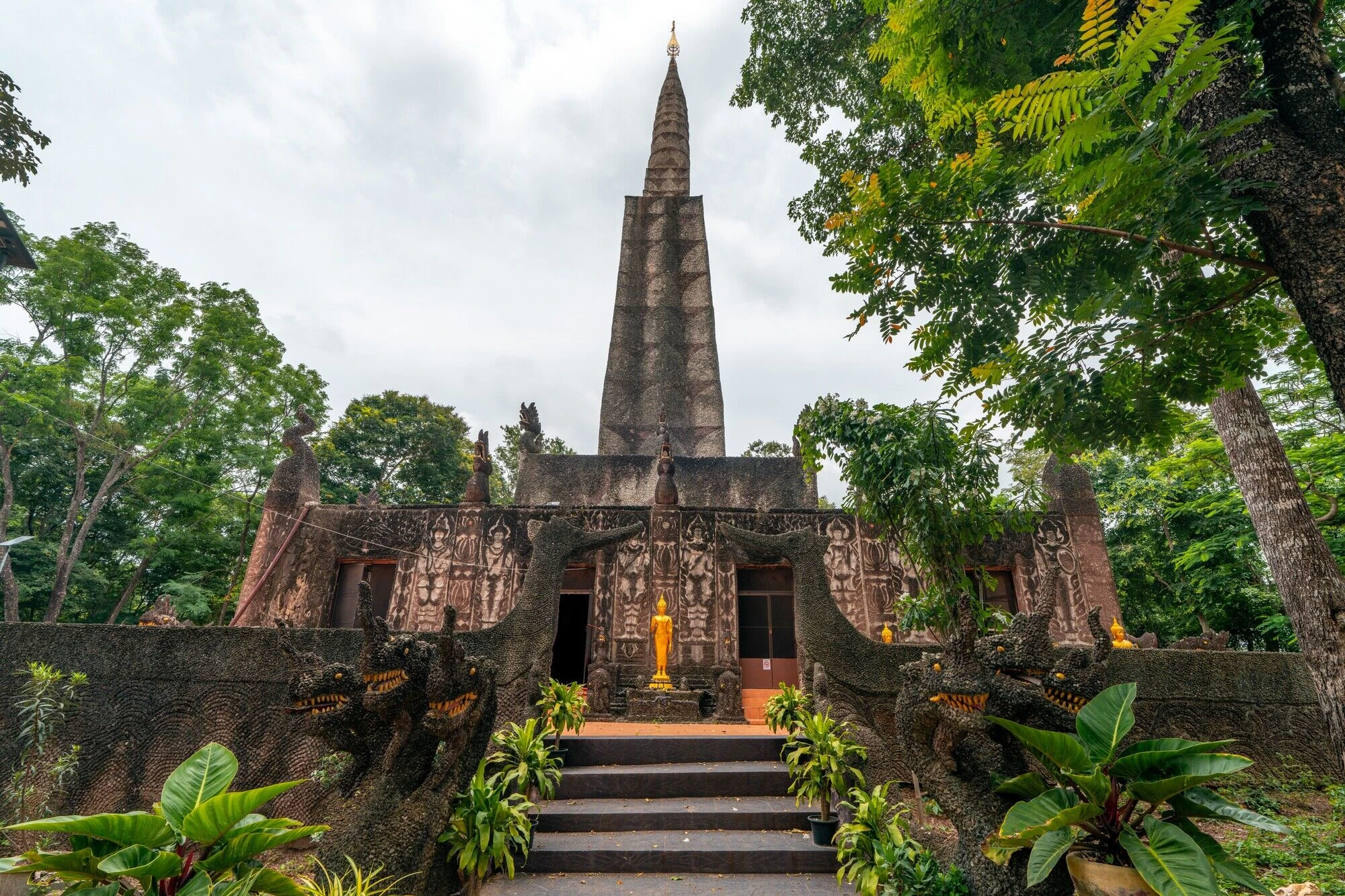
Marvel at Wat Pa Maha Chedi Kaew (The Temple of a Million Bottles)
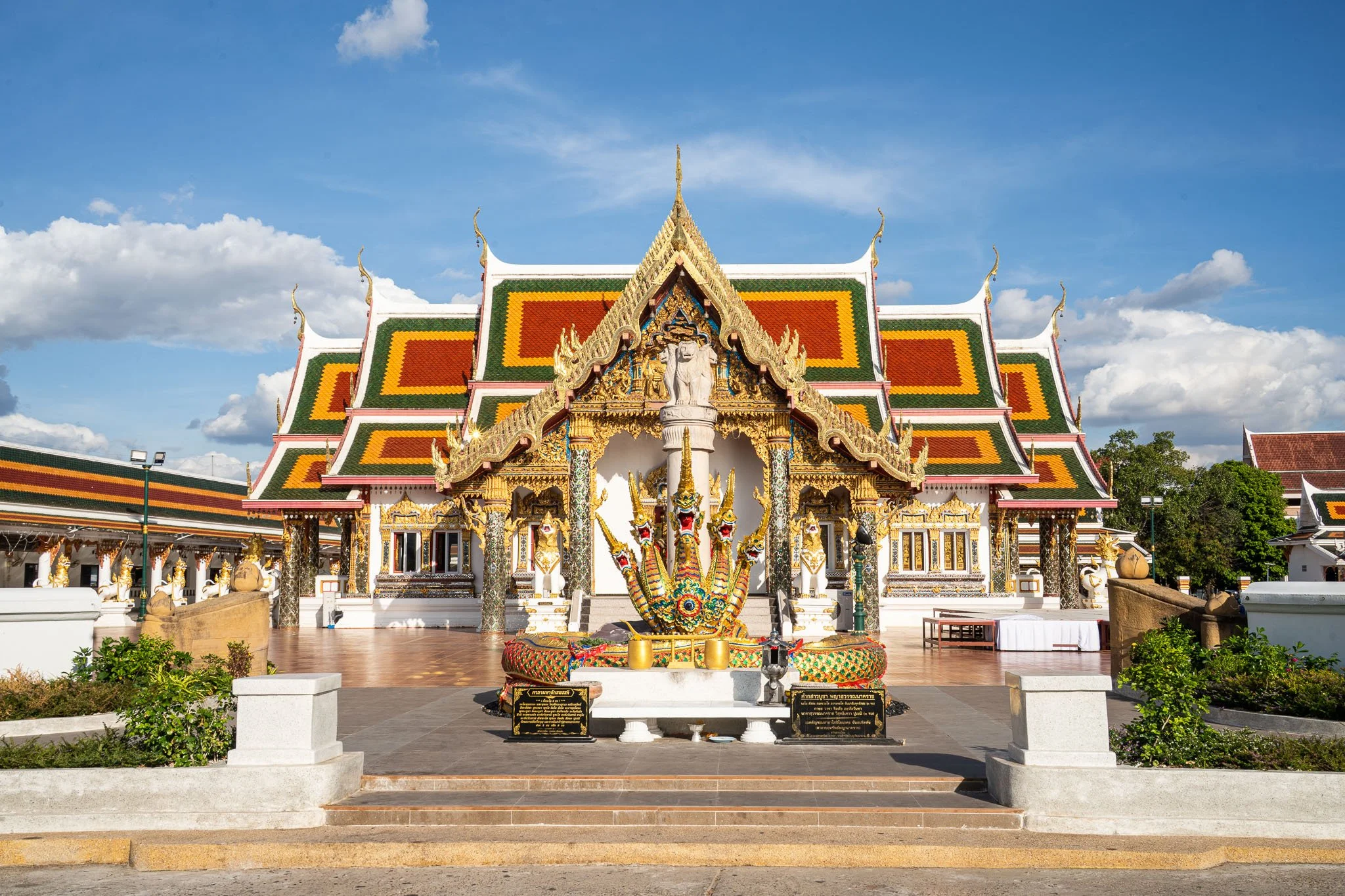
This is, without a doubt, one of the most amazing temples in Thailand. Tired of seeing trash pile up, the local monks decided to do something about it. The result? A stunning temple complex built from over 1.5 million recycled beer bottles! From the walls of the main temple (made of green Heineken and brown Chang bottles) to the mosaics made from bottle caps, every detail is a testament to creative recycling. It's a beautiful, peaceful, and utterly inspiring place.
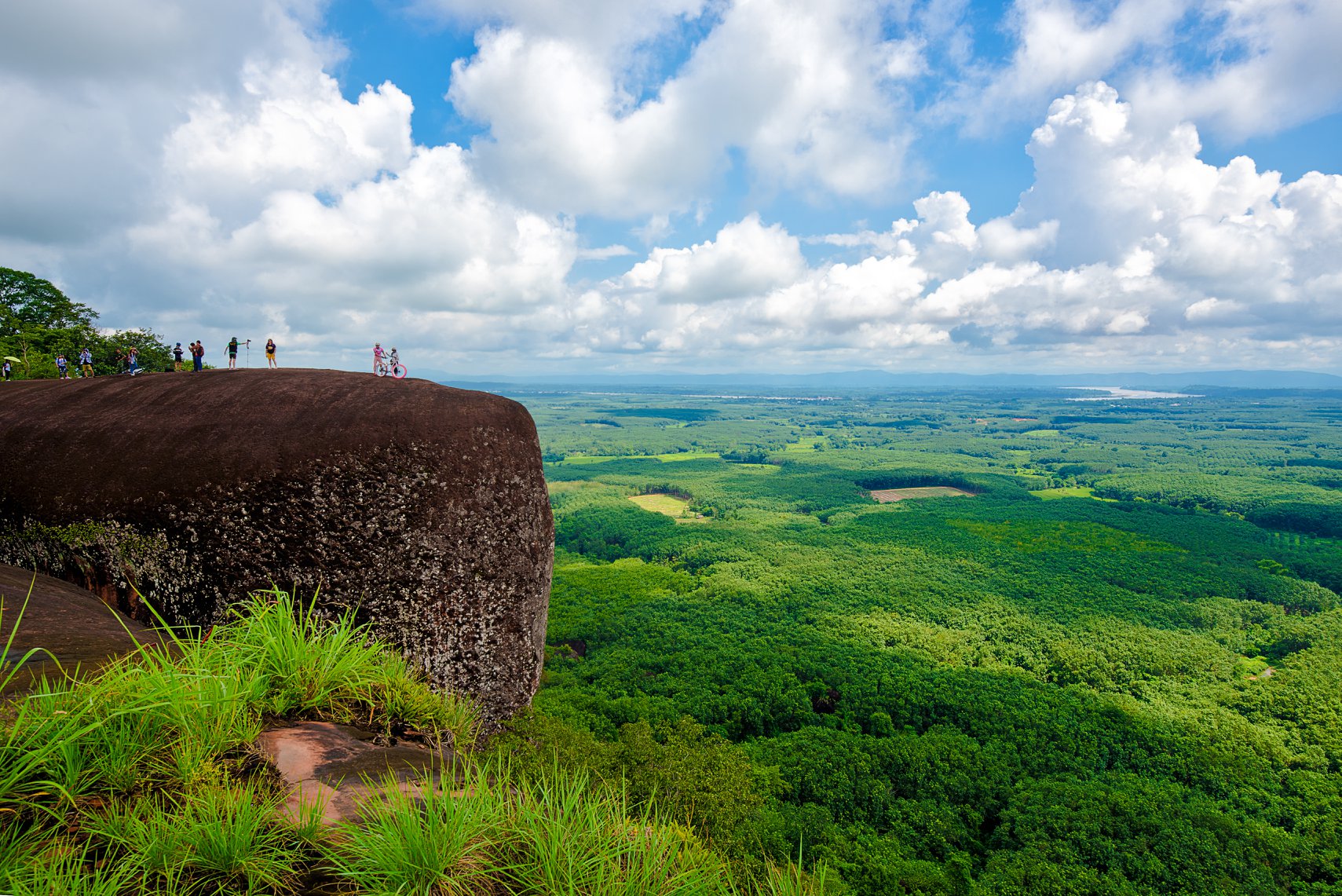
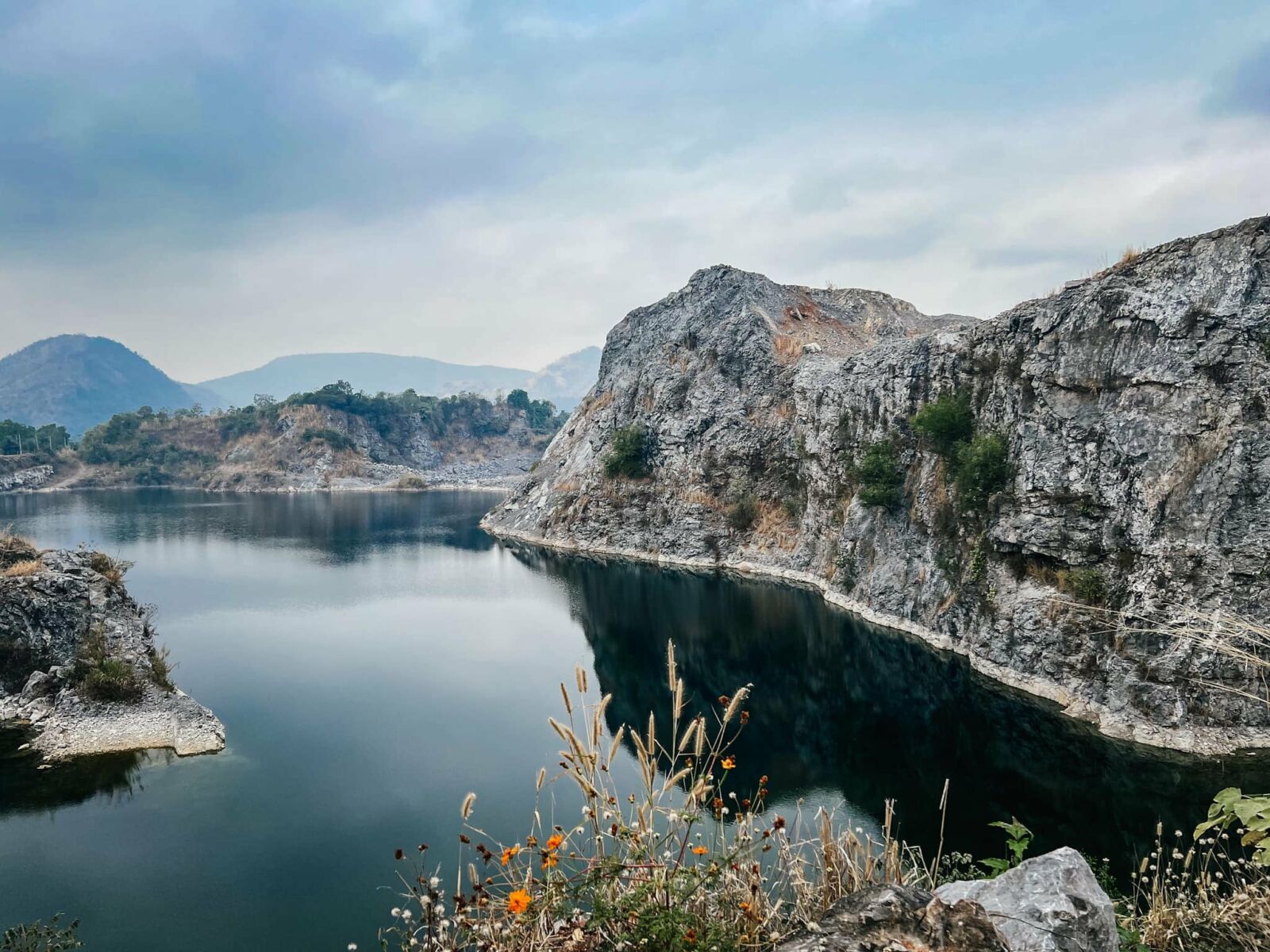
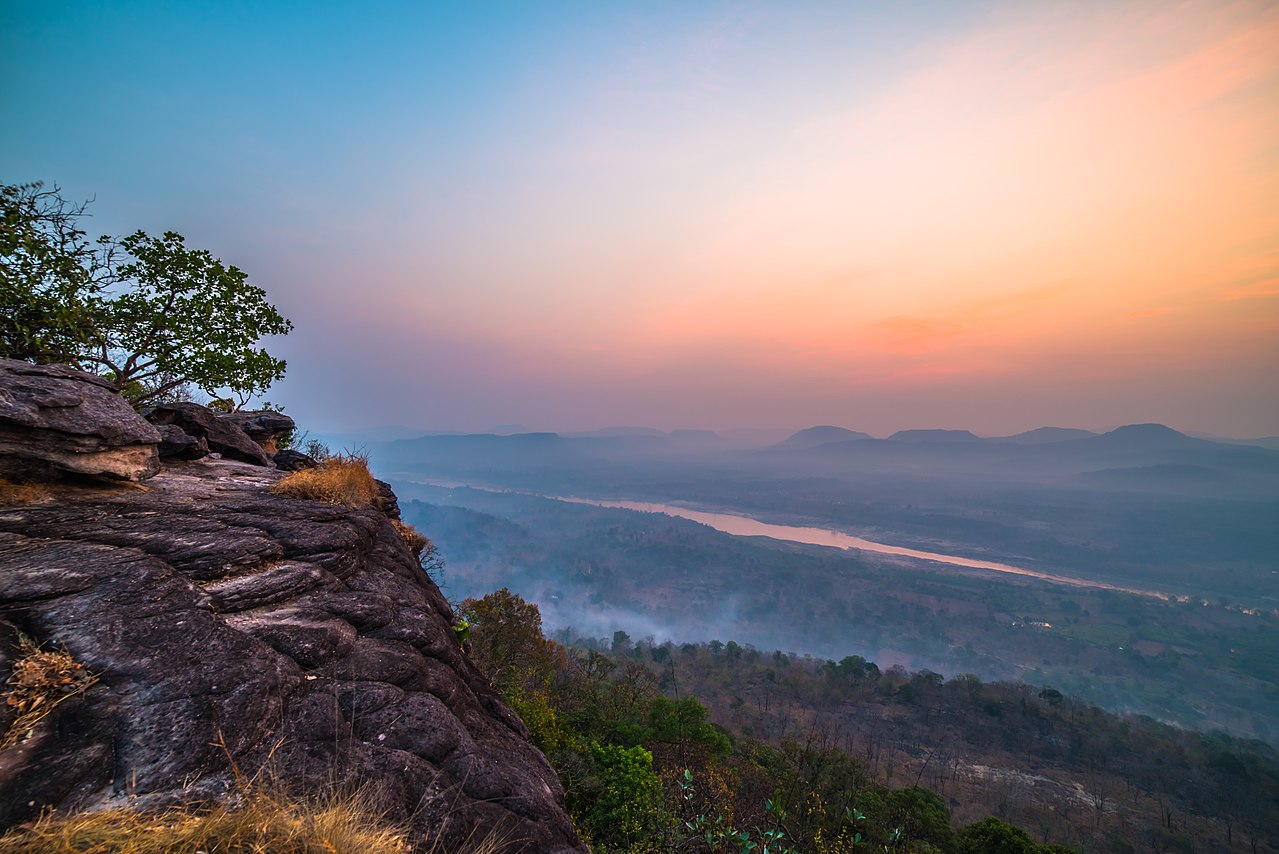
Gaze Across the Border from Pha Mo I Daeng
Located in Khao Phra Wihan National Park, this cliff-top viewpoint offers one of the most dramatic views in the country. Perched right on the edge of a steep escarpment, you get a stunning, direct view of the magnificent Preah Vihear Temple (Prasat Khao Phra Wihan), a UNESCO World Heritage site located just across the border in Cambodia. It's a powerful and breathtaking vantage point, steeped in history.
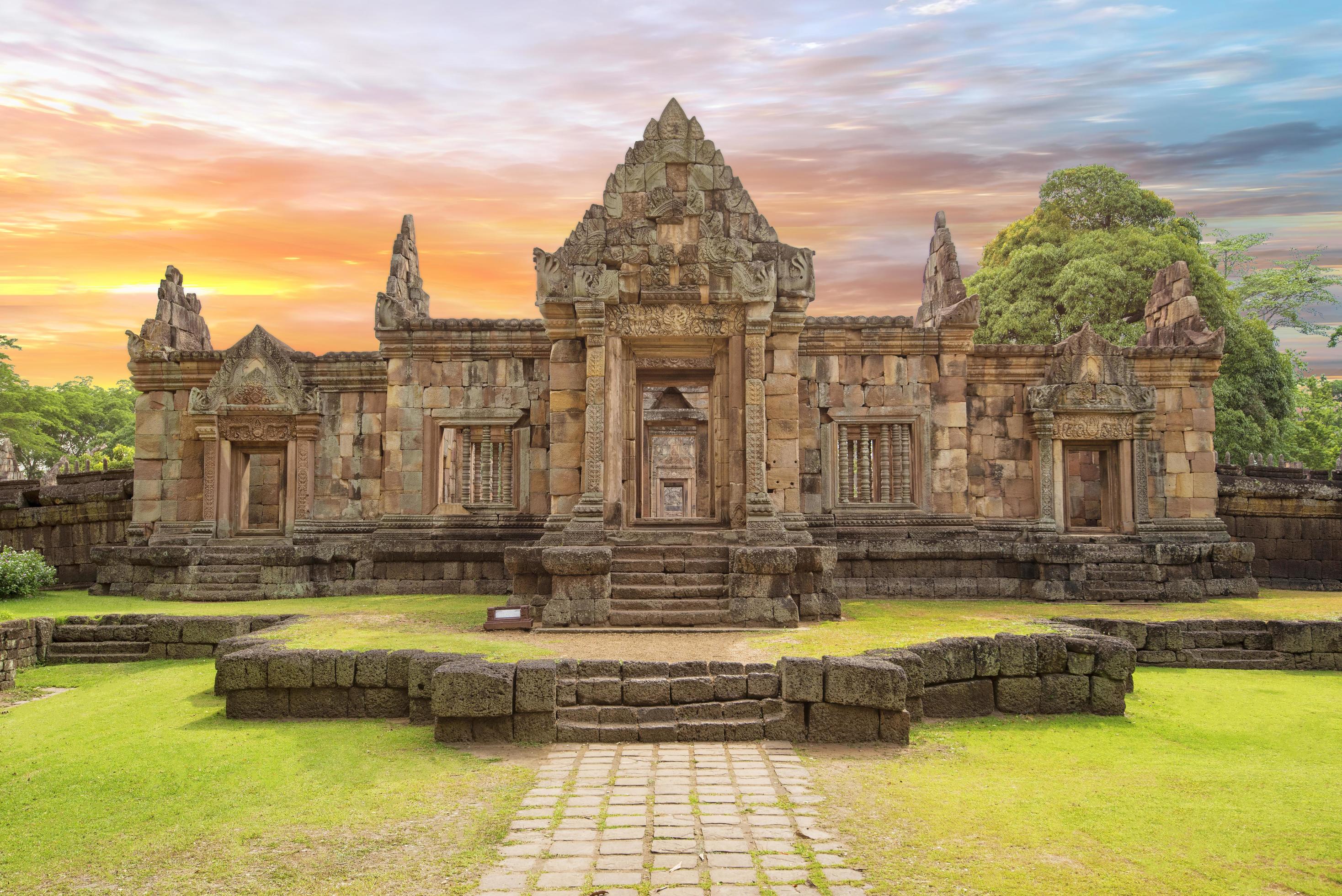
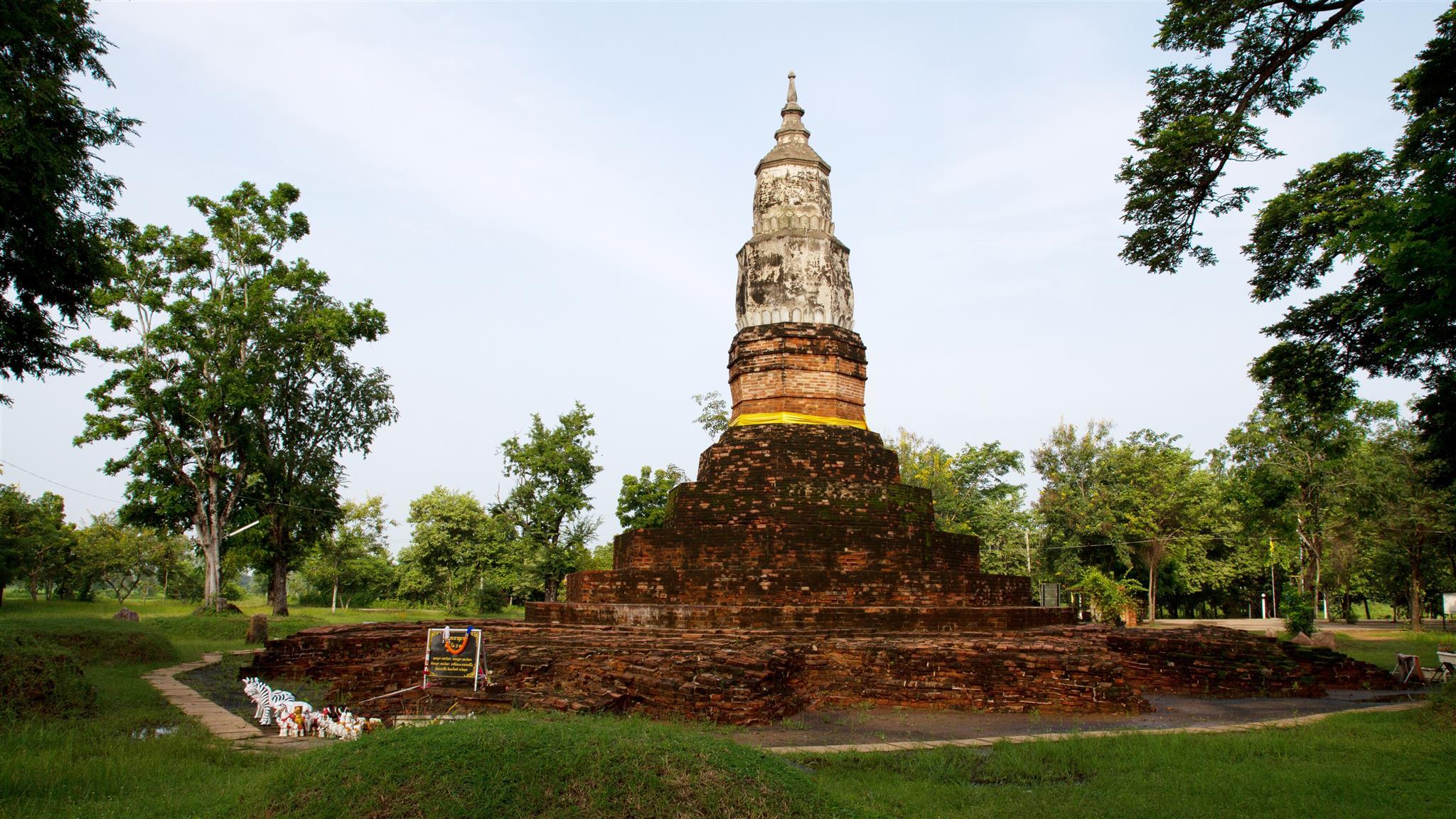
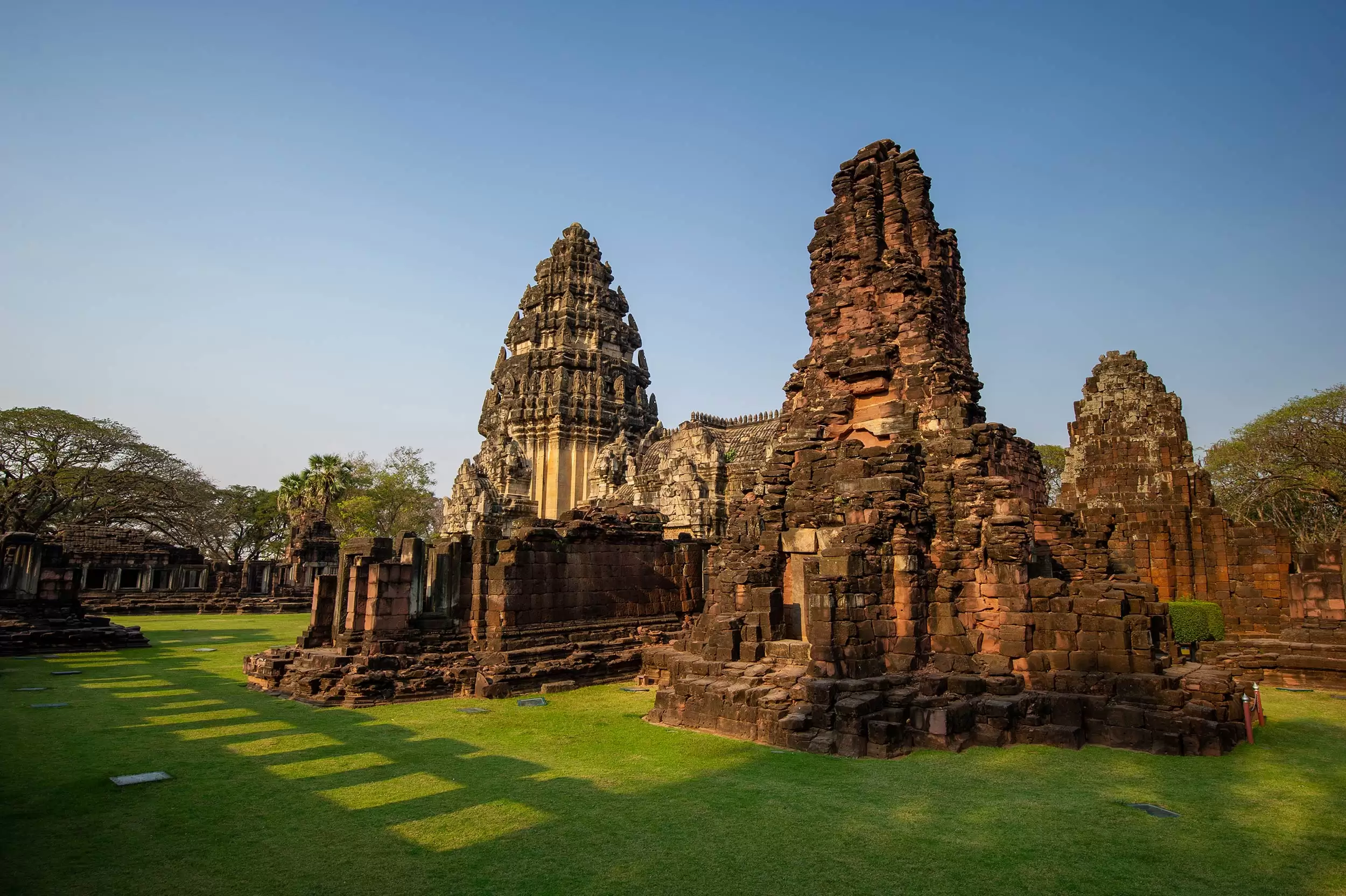
Explore Prasat Wat Sa Kamphaeng Yai
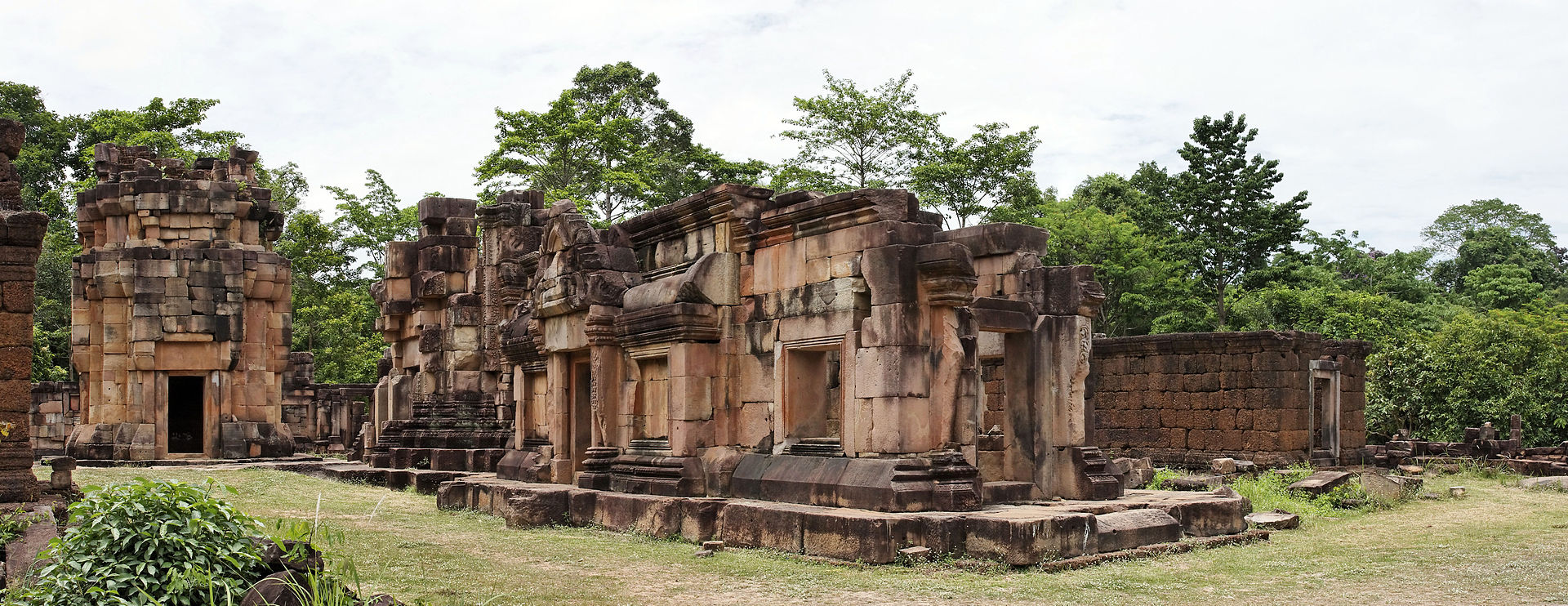
Want to see impressive Khmer architecture without crossing a border? This is your spot. As Sisaket's largest and best-preserved Khmer ruin, this 11th-century temple complex is a fantastic place to explore. Originally a Hindu shrine dedicated to Shiva, it was later converted into a Buddhist temple. Wander among the ancient sandstone and laterite towers and admire the intricate carvings that have survived for a thousand years.
Taste the Famous Volcanic Durian
Foodies, take note! Sisaket is famous for its unique "Durian Phukhao Fai" (Volcanic Durian). Grown in the rich, volcanic soil of the Kantharalak district, this durian has a distinct flavour—it's creamy, sweet, and famously less pungent than its counterparts. If you're visiting during the harvest season (around June-July), seeking out this king of fruits is a delicious mission. 🌋
How to Get There
Sisaket is well-connected by land but has no airport of its own.
Fly (to Ubon Ratchathani): The easiest way to start your journey is to fly into the major airport in the neighbouring province, Ubon Ratchathani (UBP). From there, it's about a one-hour drive or bus ride to Sisaket.
By Train: Sisaket has a train station on the northeastern line from Bangkok, offering a scenic and affordable way to travel.
By Bus: Numerous buses run from Bangkok's Mo Chit station directly to Sisaket.
To explore the key attractions like the border viewpoint and the bottle temple, which are spread out, renting a car is your best and most convenient option.